







In the context of the modern aquaculture industry continuously upgrading toward high-density, high-efficiency, and sustainable development, optimizing feed nutritional structure has become a key factor in improving farming performance. As an important vitamin-like functional nutrient, inositol has attracted increasing attention from industry players for its application value in aquaculture feed formulations.
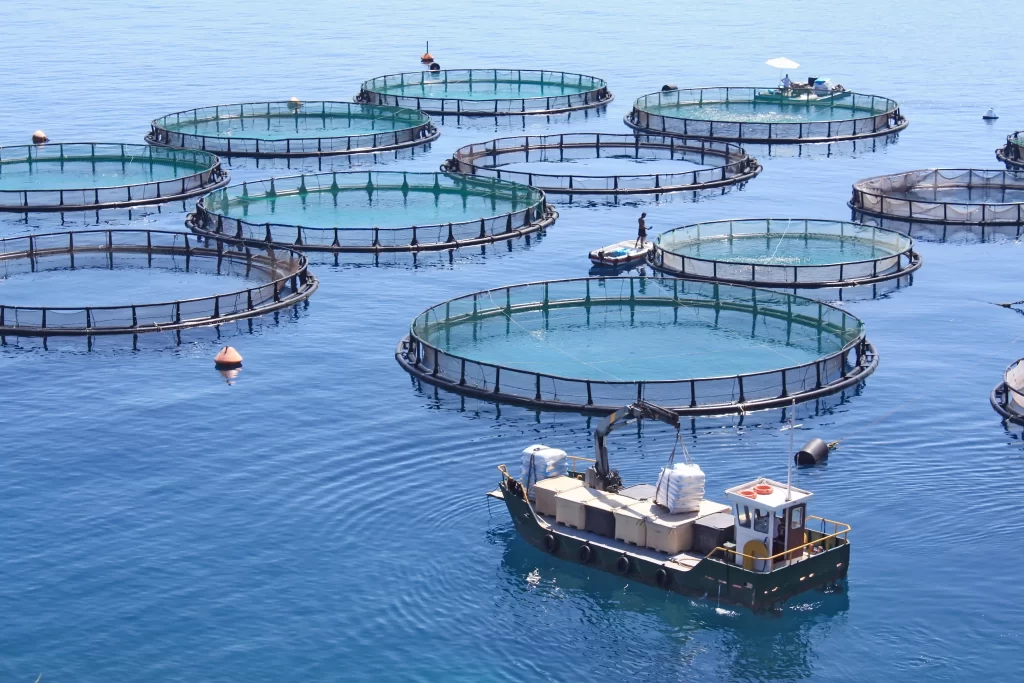
With its comprehensive roles in lipid metabolism, liver health, and stress resistance, inositol has become an important functional raw material in high-end aquaculture feed formulations.
1. What Is Inositol?
Inositol, also known as cyclohexanehexol, is a water-soluble vitamin-like compound belonging to the B-vitamin complex.
Although aquatic animals can synthesize inositol under certain conditions, endogenous production is often insufficient during high-density farming or rapid growth stages. Therefore, supplementation through feed is necessary.
2. Mechanism of Action of Inositol in Aquatic Animals
In fish, shrimp, and other aquatic species, inositol is mainly involved in the following physiological processes:
Lipid metabolism and transport regulation
Cell membrane structural stability
Liver lipid metabolism and energy balance
Osmotic pressure regulation and cellular homeostasis maintenance
These functions enable inositol to play an important supportive role in maintaining normal growth and health status of aquatic animals.
3. Key Benefits of Inositol in Aquaculture Feed Formulations
① Improves Lipid Metabolism and Reduces Fatty Liver Risk
In high-energy feed applications, aquatic animals are prone to fat accumulation and increased liver burden. Inositol helps promote normal lipid metabolism and transport, thereby reducing abnormal fat deposition in the liver and supporting liver health.
② Enhances Growth Performance and Feed Utilization Efficiency
Inositol participates in multiple fundamental metabolic processes, helping optimize nutrient absorption and utilization efficiency. This can improve growth performance of fish and shrimp and enhance feed conversion ratio (FCR).
③ Strengthens Stress Resistance
During aquaculture production, temperature fluctuations, stocking density changes, and water quality stress can trigger physiological stress responses. Inositol helps maintain cell membrane stability and metabolic balance, improving the ability of aquatic animals to adapt to environmental changes.
④ Supports Liver Health and Metabolic Function
The liver is a key metabolic and detoxification organ in aquatic animals. Inositol is involved in lipid metabolism regulation, helping maintain liver cell structural integrity and supporting normal metabolic and physiological functions.
⑤ Improves Overall Health Status and Survival Rate
By improving metabolic balance and stress resistance, inositol contributes to better overall health in aquatic animals, which can indirectly improve survival rates and farming economic efficiency.
4. Application Forms in Aquaculture Feed
Inositol is commonly used as a functional feed additive in premixes or compound feeds, suitable for:
Marine fish feed
Freshwater fish feed
Shrimp and crustacean feed
Juvenile and grow-out stage feed formulations
Its inclusion level should be scientifically designed based on species, growth stage, and feed formulation structure to achieve optimal performance.
Conclusion
As an important functional feed additive, inositol has multiple applications in aquaculture, including improving lipid metabolism, supporting liver health, enhancing stress resistance, and promoting growth performance.
As a manufacturer specializing in bio-based nutritional raw materials, AHB is committed to providing high-quality and sustainable functional additive solutions, with products widely applied in food, feed, and biotechnology industries.