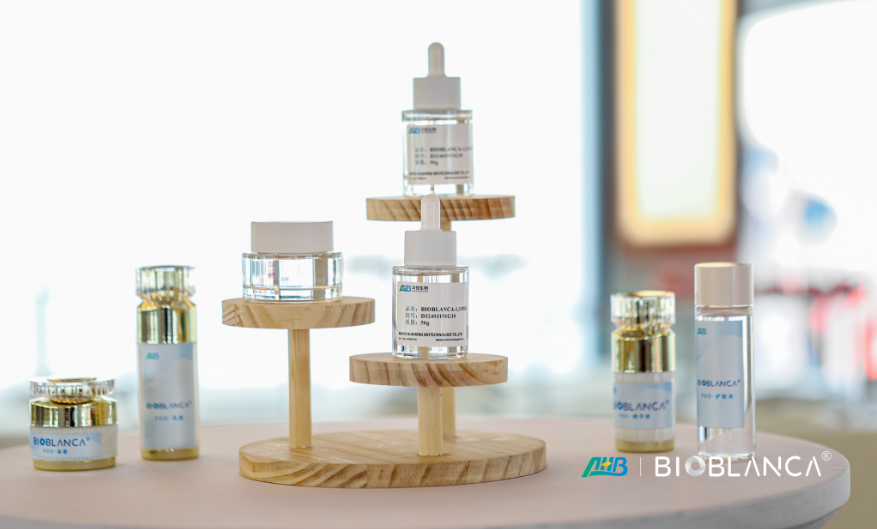








In skincare products, 1,3-PDO (1,3-propanediol) and glycerin are two commonly used moisturizing ingredients, each with distinct differences in moisturizing effects, user experience, and skin suitability. Understanding their characteristics, advantages, and ideal applications can help you choose the best skincare product for your skin's needs. This article will compare these two ingredients in detail, helping you find the most suitable skincare option.
What are 1,3-PDO and Glycerin?
1,3-PDO (1,3-Propanediol)
1,3-PDO is an organic compound widely used in cosmetics and skincare products. It acts as a humectant and solvent, effectively enhancing skin hydration and improving the texture and stability of cosmetic products. Due to its excellent skin permeability, 1,3-PDO is commonly used in skincare products designed for sensitive skin.
Glycerin
Glycerin is a natural ingredient derived from plant or animal fats, widely used in various skincare products, especially known for its exceptional moisturizing effects. Glycerin attracts moisture and helps retain it on the skin’s surface, keeping the skin hydrated and smooth, particularly for dry skin.
Moisturizing Effect Comparison between 1,3-PDO and Glycerin
1,3-PDO's Moisturizing Effect
1,3-PDO works through its hygroscopic properties, allowing it to quickly penetrate the skin and provide immediate hydration. Its unique structure not only aids hydration but also reduces moisture evaporation from products, extending the moisturizing effect. 1,3-PDO also helps balance oil levels, making it suitable for oily or combination skin.
Glycerin's Moisturizing Effect
Glycerin works by attracting moisture from the air and retaining it on the skin. Its moisturizing effect tends to be more long-lasting. Glycerin forms a thin film on the skin, helping lock in moisture, making it especially effective in cold or dry environments. Glycerin is an ideal choice for dry and extremely dry skin.
Which Skin Type is Suitable for 1,3-PDO and Glycerin?
Skin Types Suitable for 1,3-PDO
1,3-PDO is suitable for all skin types, especially oily, combination, and sensitive skin. Its lightweight texture won’t leave the skin feeling greasy and provides optimal hydration. For people living in humid climates, 1,3-PDO offers a refreshing moisturizing experience.
Skin Types Suitable for Glycerin
Glycerin is particularly suitable for dry and extremely dry skin, effectively keeping the skin hydrated and soft. It performs exceptionally well in cold and dry environments, helping the skin resist damage from dryness. However, if you have oily skin, excessive use of glycerin may make your skin feel sticky, so it’s essential to control the amount used.
Additional Benefits of 1,3-PDO and Glycerin
Additional Benefits of 1,3-PDO
In addition to its moisturizing effects, 1,3-PDO helps enhance the stability of skincare products and has a synergistic preservative effect in formulations. Its gentle nature also makes it highly suitable for sensitive skin.
Additional Benefits of Glycerin
Glycerin not only provides long-lasting hydration but also has soothing properties, helping to alleviate skin discomfort caused by dryness and external irritation. Its natural composition makes it ideal for long-term use, especially for skin frequently exposed to dry or extremely cold environments.
Choosing Between 1,3-PDO and Glycerin
Based on your skin type and needs, choosing the right ingredient can enhance your skincare results:
When to Choose 1,3-PDO:
If you have oily, combination, or sensitive skin and need a lightweight moisturizing ingredient, 1,3-PDO is an ideal choice. It provides effective hydration without leaving the skin feeling sticky or heavy.
When to Choose Glycerin:
If your skin is dry or extremely dry, especially in cold or dry environments, glycerin will be your ideal moisturizing ingredient. It can lock in moisture for an extended period, keeping your skin soft and smooth while reducing tightness and discomfort caused by dryness.
Conclusion: Choosing Between 1,3-PDO and Glycerin
Both 1,3-PDO and glycerin have their advantages and are suitable for different skin types and needs. Selecting the right ingredient will help you achieve optimal skincare results, keeping your skin healthy and hydrated.